The leather finishing industry is built on a delicate balance of aesthetics, durability, and tactile quality. Consumers who purchase leather goods — whether furniture, footwear, or garments — expect a surface that looks beautiful, resists wear, and feels distinctly premium to the touch. The Waxy Feel Modifier 2229BPH from Guangzhou Tuode Chemical Technology Co., Ltd. is a specialist silicone emulsion designed to address the tactile quality dimension of this equation with exceptional precision — delivering the characteristic waxy, smooth hand feel that defines premium leather quality across a wide range of end-use applications.

Silicone emulsions have long been a cornerstone of leather finishing chemistry, providing surface lubricity, protective functionality, and tactile differentiation. The 2229BPH represents a refined evolution within this product category — a high-solids aqueous emulsion engineered specifically to impart a distinctive waxy surface sensation while simultaneously building wear resistance into the coating layer. The combination of these two performance attributes in a single product simplifies formulation and reduces the number of finishing additions needed to achieve the target surface quality.

In shoe leather applications, surface feel and durability are both paramount. The 2229BPH contributes to the development of topcoat layers that feel smooth and premium under the hand while resisting the mechanical stresses of flexing, abrasion, and moisture exposure that footwear experiences in daily use. The product's partial surface orientation — the tendency for the silicone component to migrate toward the coating surface during film formation — creates a concentrated layer of lubricity at the very top of the coating where it is most needed for both feel and protection.
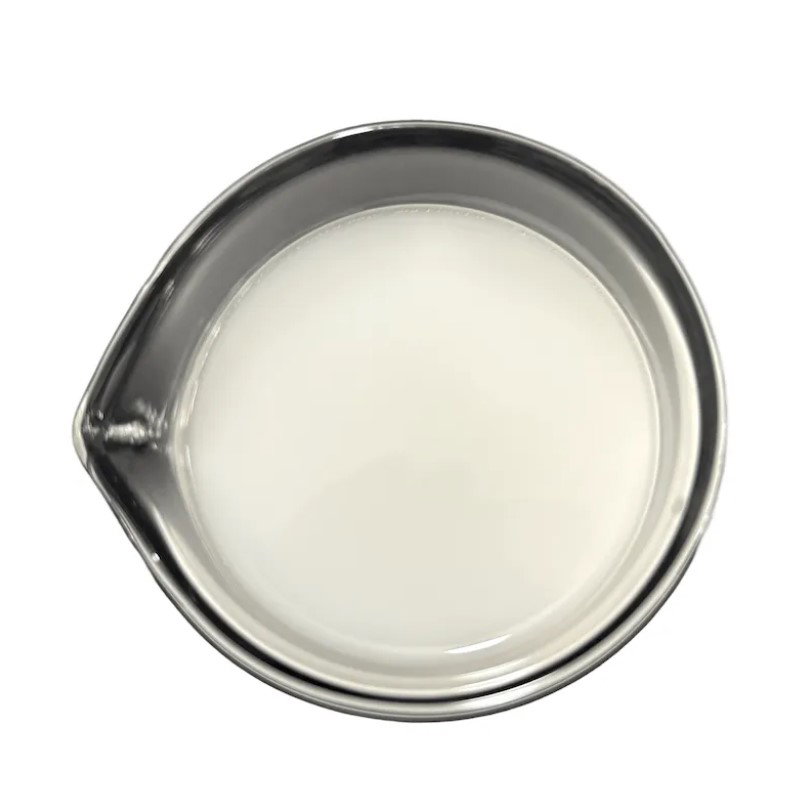

Waxy Feel Modifier 2229BPH — Technical Properties & Packaging | Source: otdchem.com

Furniture leather represents one of the most demanding application environments for any finish modifier. Sofa and upholstery leathers are subjected to years of constant use, including contact with skin, clothing, and various household substances. The waxy surface developed by the 2229BPH provides a first line of defense against these challenges, offering a smooth, easy-clean surface that maintains its aesthetic and tactile qualities through extended service life. Formulations incorporating the 2229BPH at recommended levels consistently show improved Martindale abrasion test results and enhanced resistance to flexing without cracking.

Garment leather places different but equally demanding requirements on the finishing system. The leather must feel soft and comfortable against the skin, move naturally with the wearer's body, and maintain its appearance after repeated folding, handling, and exposure to perspiration. The 2229BPH's compatibility with aqueous finishing systems makes it an ideal additive for garment leather finishing formulations, where the gentle, water-based processing conditions preserve the softness and drape of the leather substrate while the 2229BPH imparts its characteristic waxy surface quality.

Quality management at Guangzhou Tuode Chemical Technology Co., Ltd. ensures batch-to-batch consistency in the 2229BPH product. The company's manufacturing protocols include rigorous quality control at every production stage, from raw material receipt to final packaging and dispatch. This consistency is essential for leather finishing operations where even small variations in modifier performance can produce visible and tactile differences in the finished leather surface.

For formulators who are developing new leather finishing systems or seeking to upgrade existing ones, Guangzhou Tuode Chemical provides comprehensive technical assistance. Their specialists can advise on optimal addition levels, compatibility with specific binder systems, application methods, and troubleshooting for any performance issues that arise during development. This expert support, combined with the outstanding performance credentials of the 2229BPH, makes Guangzhou Tuode Chemical a valuable development partner for any leather finishing operation serious about surface quality.
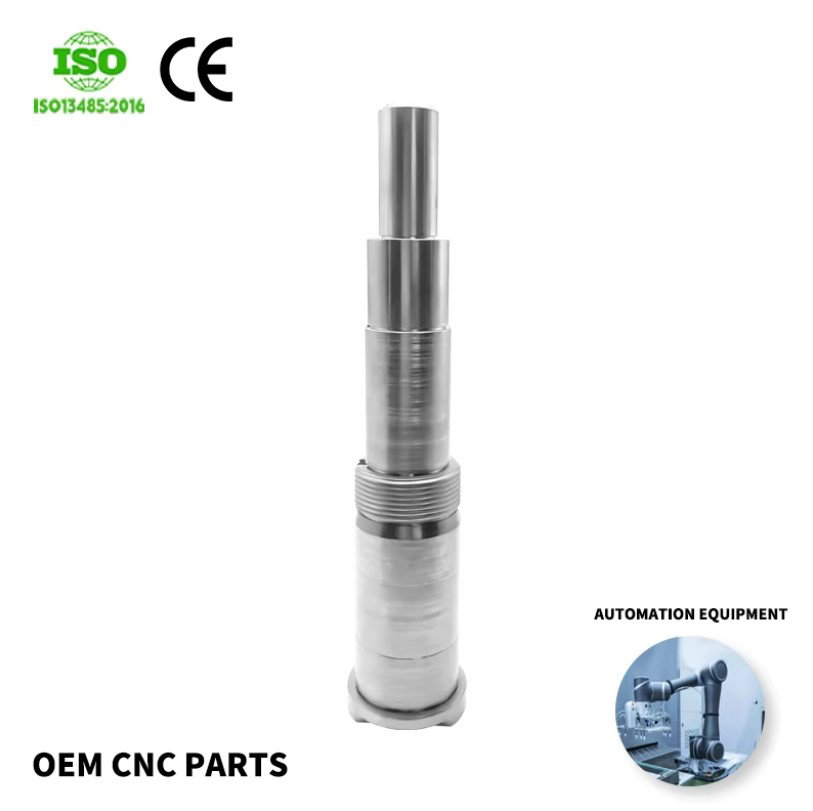
Industrial robotics systems — collaborative robots (cobots), articulated robot arms, SCARA robots, and delta robots — are the physical embodiment of modern manufacturing automation. At their mechanical core, every joint, actuator housing, and structural link is a precision-machined CNC automation parts component whose dimensional accuracy, surface finish, and material properties determine the robot's positioning repeatability, load capacity, and service life. Understanding how CNC automation parts translate into robotic system performance helps engineers specify components with the precision their applications demand.


Robot Joint Components: CNC Precision at the Heart of Repeatability

Robot positioning repeatability — the ability of a robot arm to return to the same point in space within a specified tolerance, repeatedly over millions of cycles — is determined by the combined geometric accuracy of every component in the kinematic chain. Joint housing bores that locate bearings must be held to within ±0.003 mm of specified diameter; shaft features that transmit torque through flexible couplings must maintain concentricity to ±0.005 mm; harmonic drive wave generator components require surface finish control to Ra ≤ 0.2 µm for proper engagement with the flexspline. These are fundamentally CNC automation parts machining challenges, not design challenges — the engineering is understood, the execution is the differentiator.

Gantry and Linear Motion Components

Automated assembly systems typically use linear motion systems — ball screw drives, linear guide rail carriages, and pneumatic cylinder assemblies — to achieve precise, repeatable positioning in X, Y, and Z axes. The CNC automation parts in these systems include: ball screw nut housings (requiring ±0.005 mm bore diameter and position control), linear guide rail mounting blocks (requiring flatness of ±0.003 mm across the mounting face), and end-stop components (requiring hardened surfaces and dimensional control for consistent stop repeatability). Each of these components has a direct, quantifiable impact on the achieved positioning accuracy of the overall system.

Fixture and Tooling CNC Automation Parts

The fixtures and tooling plates that locate workpieces for automated processing operations are among the most geometrically complex and tolerance-critical of all CNC automation parts. A vision-guided robot picking components from a fixture depends on every component hole position being exactly where the vision system was taught to expect it. Fixture plates with 20+ precision-reamed tool holes must maintain hole-to-hole position accuracy of ±0.01 mm across the full plate dimension — a specification that requires 5-axis CNC machining with thermal compensation and post-machining CMM inspection verification.

Supply Chain Considerations for CNC Automation Parts

  • Certified material traceability from mill certificate through machining to final inspection
  • First Article Inspection (FAI) reports on initial production batch before volume release
  • Statistical process control (SPC) data for key dimensions on high-volume CNC automation parts programs
  • Lot-coded labeling enabling field traceability in the event of quality concern identification
  • PPAP (Production Part Approval Process) documentation for automotive-derived automation programs

Raycool's CNC Automation Parts Capability

Shanghai Raycool Industrial Co., Ltd. delivers CNC automation parts programs from prototype through volume production with full quality documentation — supporting automation OEMs through the complete product development lifecycle with precision machining expertise and responsive program management.

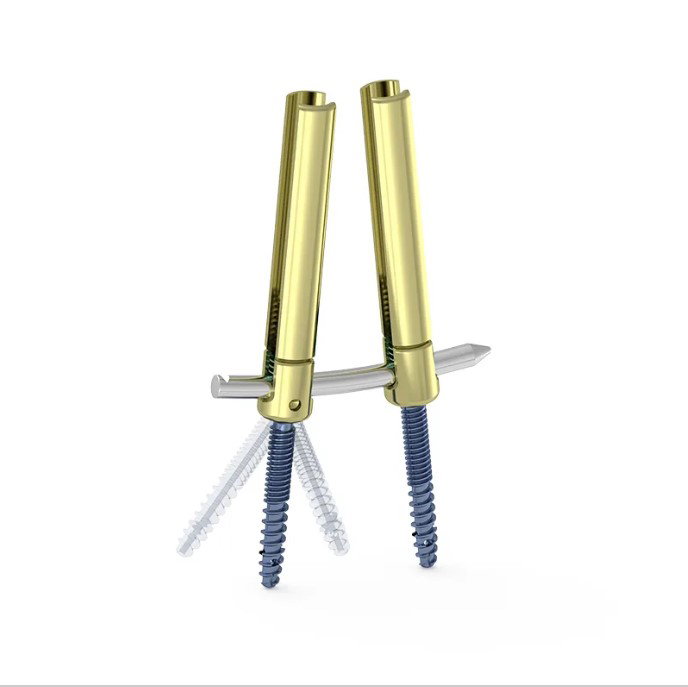
For spine surgeons, hospital procurement officers, and medical device distributors evaluating orthopedic implant suppliers, the quality certification status of a spinal screw manufacturer is not merely a regulatory checkbox — it is the documented foundation of the patient safety assurance that every implanted device must carry. Spinal screws are permanently or semi-permanently implanted in the human body, operating in a mechanically demanding environment, and any quality failure — in dimensional accuracy, material purity, surface finish, or mechanical performance — has the potential to cause serious patient harm.

The Regulatory Framework for Spinal Screws

Spinal screws are classified as high-risk medical devices in virtually every regulatory jurisdiction worldwide. In the European Union, they require CE marking under the Medical Device Regulation (MDR 2017/745), which mandates clinical evaluation, rigorous quality management system requirements, and ongoing post-market surveillance. In the United States, they are subject to FDA 510(k) clearance or PMA approval. In China, they require NMPA registration. Each of these regulatory frameworks requires manufacturers to demonstrate that their quality management systems — governing every aspect of design, manufacturing, testing, and post-market monitoring — meet the requirements of ISO 13485, the international standard for medical device quality management.


What ISO 13485 Certification Means for Buyers

ISO 13485 certification means that an independent certification body has audited the manufacturer's quality management system and verified that it meets the standard's requirements for documented procedures, process control, product traceability, complaint handling, and corrective and preventive action management. For spinal screw buyers, this certification provides documented assurance that the manufacturer operates systematic quality controls — not just at final inspection but throughout the entire production process from raw material receipt to finished product release. It means that quality problems are systematically identified, investigated, and resolved rather than simply shipped to the customer and discovered in the field.

Critical Quality Parameters for Spinal Screws

The quality parameters that determine a spinal screw's clinical safety and performance include: dimensional accuracy of thread geometry (pitch, depth, and helix angle within specified tolerances); material composition verification (elemental analysis confirming compliance with Ti-6Al-4V ELI or equivalent specification); mechanical performance testing (proof load, torsional strength, fatigue testing per ASTM F543 or equivalent); surface finish and cleanliness (freedom from contamination, particulate, and surface defects); and packaging integrity (maintenance of sterile barrier throughout distribution). Each of these parameters is specified in the product's design dossier and verified through documented testing at defined intervals in the manufacturing process.

Choosing a Spinal Screw Supplier

When selecting a spinal screw supplier, procurement professionals should request and review: current ISO 13485 certification covering the relevant product lines; CE technical file documentation or equivalent market-specific approval; material certification for all implant materials used; test reports for mechanical performance testing; traceability documentation demonstrating lot-level traceability from raw material to finished product; and at least two clinical references from hospitals or distributors currently using the supplier's products in clinical practice. Youbetter Medical satisfies all of these requirements, with its ISO-certified, CE-approved manufacturing infrastructure providing the documented quality foundation that responsible medical device procurement demands.

Selecting the right shower for each bathroom in your home requires balancing multiple variables — room size, existing plumbing configuration, intended user (master suite vs. guest bath vs. children's bathroom), budget, and aesthetic vision. Getting this balance right produces a bathroom that functions as well as it looks; getting it wrong leads to years of daily frustration with a feature used more frequently than any other in the house. This guide applies a room-by-room analysis framework to help homeowners and interior designers make shower selections they will be happy with for the long term.

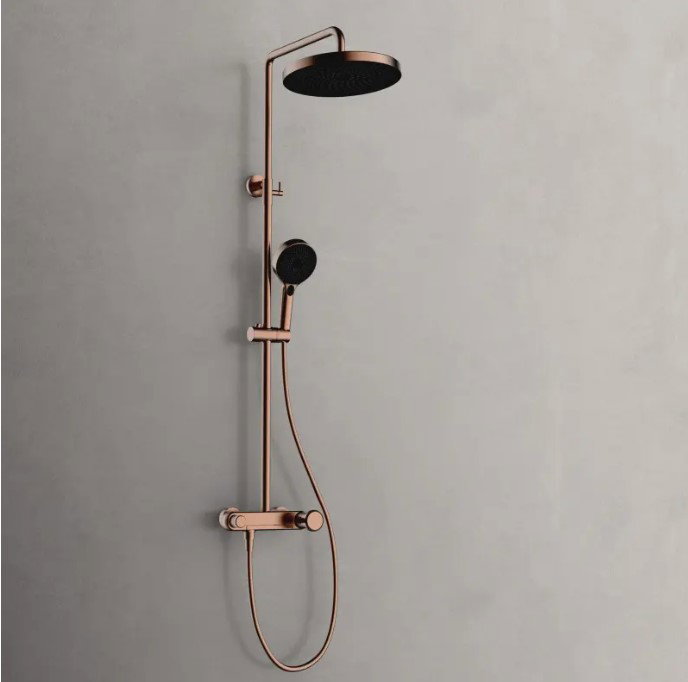
           Sekko Series Brass Rain Shower Faucet Set Mixer Complete Kit – Coobath

Master Suite Bathroom: Maximizing the Premium Experience

The master suite bathroom warrants the most considered, premium shower specification in any home. This is where occupants begin and end their day — where the quality of the shower experience is felt most keenly. Concealed shower systems with thermostatic valves — enabling precise temperature pre-setting — deliver the most consistent, luxurious experience. A combination of a large overhead rain head and a separate handheld allows customization between full-immersion rainfall and targeted rinsing. Matte black, brushed gold, or brushed nickel finishes coordinate with contemporary bathroom design trends far better than basic chrome in a master suite context.

Guest Bathroom: Function Over Complexity

Guest bathrooms are used less frequently and by a wider range of people — simplicity and reliability outweigh sophisticated features here. An exposed shower set with a single thermostatic or pressure-balance valve, a standard fixed overhead head, and a handheld provides all necessary functionality with minimal operational complexity. Chrome finish is both the most universally acceptable aesthetic and the easiest to maintain in a high-rotation guest use context. Selecting a shower system from the same brand series as the basin faucet ensures visual coherence across the bathroom's hardware.

Children's Bathroom: Safety and Practicality First

Children's shower specifications prioritize safety and ease of use above aesthetics. A thermostatic shower valve with anti-scald protection — limiting maximum delivered water temperature to a safe 38°C regardless of hot water supply temperature — is the most important safety specification for any bathroom used by young children. Handheld showerheads on flexible hoses enable parents to bathe young children effectively. Short-reach, easy-to-operate lever handles on faucet controls suit children's smaller hands and limited grip strength.

Shower Selection Checklist

  • Water pressure compatibility — confirm the shower system's minimum operating pressure matches your home's supply
  • Hot water system type — combi boiler, unvented cylinder, or gravity-fed system each have specific compatible shower valve types
  • Installation type — surface-mounted vs. concealed based on wall access and budget for tiling work
  • Finish durability — PVD-coated finishes (black, gold) last significantly longer than standard electroplating in daily use

Coobath's Multi-Room Shower Range

Coobath's multiple product series — spanning Sekko, Tran, Xifan, Nuoya, and more — cover every price point and specification requirement from functional guest bathroom shower sets to premium master suite concealed systems, all with consistent brass construction, ceramic cartridge valve quality, and 5-year warranty coverage.

The world of nail art stickers can seem overwhelming at first glance — the sheer variety of designs, materials, and application techniques available today is genuinely staggering. But once you understand the core categories and what distinguishes a high-quality product from a disappointing one, navigating this market becomes straightforward and enjoyable. This guide gives beginners everything they need to choose, apply, and enjoy nail art stickers with confidence from day one.

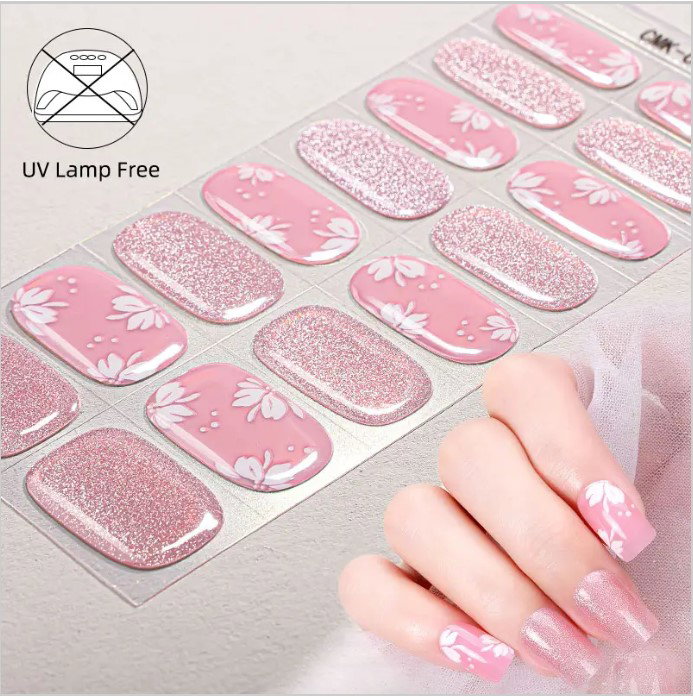
3D Glitter Sparkle Rainbow Gradient Gel Nail Art Stickers – Zhengxiangnail.com

Understanding the Main Material Categories

Nail art stickers divide into three broad material categories that determine their finish, durability, and application requirements. Gel-formula strips (both semi-cured and UV-free) produce the glossiest, most chip-resistant results and are closest in appearance and durability to professional gel manicures. Nail polish wraps are thinner, lighter, and produce a painted-nail effect — excellent for intricate patterns and precise color matching. Nail decals are applied over an existing base and are used for accent nail decoration, 3D textures, and jewel-like effects that cannot be achieved with flat strips alone.For most beginners, UV-free gel nail art stickers represent the best entry point — no equipment required, excellent durability for first-time users, and a wide range of design options including glitter, gradients, floral, and abstract patterns that deliver impressive results even on the first attempt.

Sizing: The Most Common Beginner Mistake

The single most frequent complaint from first-time nail art sticker users — "mine started lifting after just two days" — almost always traces back to incorrect sizing. A strip that touches the skin at the sides or base will peel from those contact points within days. A strip that leaves a gap at the sides allows moisture to get underneath and accelerates lifting. Selecting a strip that sits 0.5–1mm from all skin margins on all sides is the correct fit — and most quality nail sticker sets include 16–22 different sizes per set precisely to enable this precision fit for every finger.

Making Nail Art Stickers Last Longer

  • Apply a quality base coat before the sticker if your nails are naturally oily
  • Seal the free edge with a thin swipe of top coat immediately after application
  • Reapply top coat every 3–4 days to refresh shine and reseal the tip
  • Wear gloves for prolonged hot water exposure — dishwashing and long baths are the number one wear killer
  • Avoid using nails as tools — opening cans, peeling labels, and similar activities stress the free edge and cause premature lifting

Removing Nail Art Stickers Safely

Proper removal is as important as proper application for maintaining nail health. Gel nail art stickers should be soaked in acetone or non-acetone remover with a foil wrap for 5–10 minutes until the strip softens and can be slid off gently. Never force or peel a gel strip — this removes the surface of the nail plate along with it, causing thinning and sensitivity. UV-free varieties are typically more straightforward to remove with standard nail polish remover.

Zhengxiangnail.com: Where Quality Nail Art Stickers Begin

Guangzhou Zhengxiang Printing Co., Ltd. manufactures nail art stickers across every category — semi-cured gel, UV-free gel, nail wraps, and 3D decals — with non-toxic, HEMA-free formulations and OEM customization for retail and wholesale buyers worldwide.

One of the most frequently debated equipment selection questions in paper cup and bowl manufacturing is whether to use a die-cutting machine or a punching machine for producing the cup blank shapes — fan-shaped sidewall pieces and circular bottom discs — that are the fundamental raw material inputs for the cup forming process. Both machine types perform the core function of cutting precise shapes from flat paperboard stock, but they use different mechanical principles, offer different performance characteristics, and are better suited to different production scenarios. Understanding these differences in detail allows production engineers and equipment buyers to make a technically grounded, economically sound selection decision rather than defaulting to convention or following a competitor's equipment choices without analysis.

A die-cutting machine uses a flat or rotary steel rule die — a custom-tooled cutting instrument with blades shaped precisely to the desired blank outline — that presses through the paperboard under controlled force to cut the blank. A punching machine (also called a stamping or punch press) uses a round or shaped punch and matching die insert that cuts the blank by displacing material rather than shearing it — a mechanical difference that produces distinct cut-edge characteristics and has different implications for blank dimensional accuracy, tooling cost, and production speed.


Precision and Cut-Edge Quality Comparison

Die-cutting machines using precision steel rule dies deliver cleaner, more consistent cut edges on coated paperboard than most punching operations — particularly for complex fan shapes with curved outlines and tight dimensional tolerances. The shearing action of a sharp steel rule produces a clean, fiber-tidy cut that minimizes PE film delamination at the cut edge, which is particularly important for the side seam area of the cup sidewall where cut-edge quality directly affects the integrity of the heat-sealed overlap joint. Punching machines can produce acceptable bottom disc cuts for simple round shapes but are generally less suitable for the complex curved geometries of cup sidewall fan shapes.

Production Speed and Tooling Cost Comparison

Punching machines typically achieve higher single-operation cycle speeds than flatbed die-cutting machines but are limited to cutting a single blank shape per press stroke unless a multi-punch tooling array is used. Die-cutting machines with multi-up dies can cut many blank shapes from a single sheet in one stroke, achieving equivalent or superior effective output rates while offering greater layout flexibility. Tooling costs differ significantly: die-cutting rule dies are generally lower in initial cost than precision-machined punch-and-die insert sets, but rule dies may require more frequent resharpening or replacement under heavy production use.

Expert Guidance from Wenzhou Qichen

For paper cup and bowl manufacturers navigating this equipment selection decision, Wenzhou Qichen Trading Co., Ltd. offers expert technical consultation backed by their experience supplying supporting machinery — including die-cutting machines — to paper cup production facilities worldwide. Their team can evaluate your specific production requirements, paperboard specification, and cup size range to recommend the cutting equipment solution that best serves your technical and economic objectives, supported by CE certification and comprehensive after-sales technical service.

Refrigerant loss is one of the most persistent and costly operational problems in commercial bus and truck air conditioning systems, and the compressor shaft seal is statistically the single most common source of that loss in well-maintained systems where hose connections, service port valves, and heat exchanger joints are in good condition. Understanding why shaft seals leak — and what fleet operators can do to minimize both the incidence and the consequences of shaft seal refrigerant loss — is essential knowledge for anyone responsible for managing the lifecycle cost of a commercial vehicle A/C fleet.The shaft seal faces a uniquely challenging operating environment compared to every other static seal in the refrigerant circuit. Unlike O-rings and gaskets that seal between stationary surfaces, the shaft seal must maintain its sealing function across two surfaces where one face rotates continuously during compressor operation. The seal face interface heats and cools with every compressor on-off cycle, creating thermal expansion and contraction that cyclically loads and unloads the spring-generated face contact pressure. The compressor crankshaft vibrates axially and radially with the forces of the pistons and connecting rods it drives, creating dynamic loads on the seal face that are not present in static sealing applications. Each of these loading cycles inflicts microscopic wear on the seal face surfaces and gradually increases the face surface roughness that eventually allows refrigerant molecules to migrate through the interface despite the lubricating oil film.


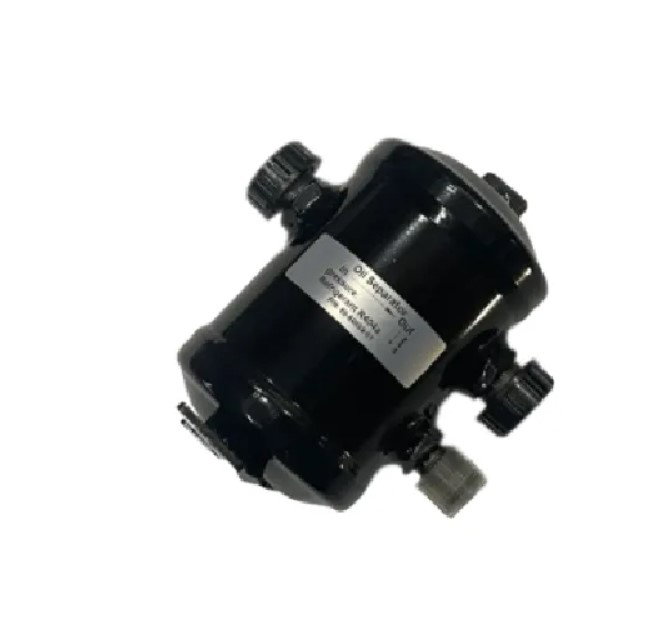
65-60059-01 Oil Separator — Carrier Transicold Xarios system; proper oil circulation protects shaft seal face lubrication | Source: cooliparts.com

Operating Practices That Extend Shaft Seal Life

Several operational and maintenance practices significantly extend shaft seal service life in bus and truck A/C applications. Running the air conditioning system briefly — even in cooler months when passenger comfort does not require cooling — circulates refrigerant oil through the compressor and across the shaft seal faces, maintaining the lubricating oil film that prevents dry-contact seal face wear. Compressors that sit idle for extended periods with static seal faces that dry out from oil film depletion often develop accelerated leak rates when returned to service. Maintaining correct refrigerant charge weight is equally important: an undercharged system reduces refrigerant oil circulation through the compressor, starving the shaft seal faces of lubrication and accelerating wear. Regular refrigerant charge verification — at least annually for high-mileage bus fleets — catches gradual refrigerant loss before it reaches the level that causes compressor damage.

The Oil Separator Connection

The oil separator is a refrigerant circuit component that directly affects shaft seal longevity by controlling the concentration of compressor oil circulating with the refrigerant in the system. A properly functioning oil separator captures oil entrained in the compressor discharge vapor and returns it to the compressor crankcase, maintaining the correct oil level for adequate shaft seal face lubrication while preventing oil accumulation in the condenser and evaporator that would reduce heat transfer efficiency. A degraded oil separator that passes excessive oil into the refrigerant circuit reduces shaft seal face lubrication, increases system contamination, and reduces A/C performance simultaneously — making oil separator condition an important factor in the overall shaft seal longevity equation for Carrier Transicold and similar refrigerated truck systems.


Brands building bespoke and made-to-measure suit collections face a production challenge that is fundamentally different from standard ready-to-wear manufacturing. The ability to produce individual garments or small batches to specific customer measurements, in a variety of fabric options, with a range of personalisation details — all while maintaining the quality consistency and commercial economics that make a bespoke programme viable — requires a suit manufacturer with capabilities, systems, and culture specifically suited to this type of production.


Why Certification Matters for Bespoke Partnerships

In the bespoke suit production context, manufacturer certification carries additional significance beyond its standard quality management implications. Bespoke production requires frequent switching between styles, fabrics, and specifications — a production environment that is far more complex and variability-intensive than standard repeating style production. A certified quality management system provides the documented procedures and verification mechanisms needed to maintain quality consistency across this variability — ensuring that each individual bespoke garment meets the same standard regardless of the specific fabric, specification, or operator involved in its production. Without this systematic quality framework, bespoke production tends toward inconsistency that undermines the premium positioning of the bespoke programme.

Flexible Production Systems for Bespoke Requirements

Standard production-line manufacturing optimises for throughput efficiency in repeating style production — a configuration that is poorly suited to the variability of bespoke work. Premium suit manufacturers serving the bespoke segment operate more flexible production systems that can accommodate frequent style and specification changes, small batch runs, and individual garment production without the setup and changeover inefficiencies that standard production lines would impose. This flexibility requires a higher level of operator skill and versatility than standard line production — operators who can competently construct multiple style variations rather than specialising in a single repeated operation.

Technology Integration: Made-to-Measure Management

Modern bespoke suit programmes increasingly use technology to manage the complexity of individual measurement data, specification variations, and production tracking that made-to-measure production generates. Integration between a brand's customer measurement platform and the manufacturer's production management system — enabling individual garment specifications to be transmitted directly to the cutting and production team without manual re-entry — reduces error risk and accelerates lead times. Manufacturers who have invested in this kind of technology integration offer bespoke programme partners a significantly more reliable and efficient production experience than those relying on manual specification management.

Light Source Couture: Your Bespoke Collection Partner

Light Source Couture's combination of 30 years' experience in precision formal dress manufacturing, Suzhou's deep pool of skilled tailoring talent, and a quality management culture built on documented processes and systematic verification makes it an ideal manufacturing partner for brands building or expanding bespoke suit programmes. The factory's OEM/ODM service, fabric sourcing support, and pre-production validation processes provide the complete development and production infrastructure that bespoke programme brands need to launch and scale with confidence. For brands committed to the highest standards of suit quality and the commercial opportunity of premium bespoke programmes, Light Source Couture represents the manufacturing partnership that makes it achievable.

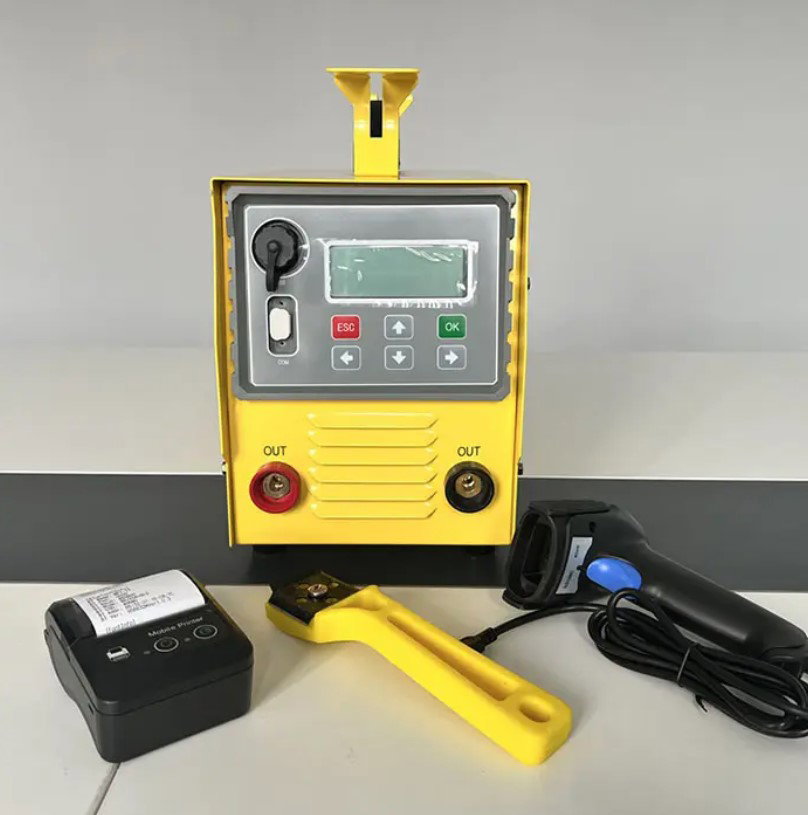
Selecting an electric welding machine for electrofusion PE pipe jointing involves evaluating a set of technical and operational criteria that differ significantly from the considerations relevant to butt fusion equipment selection. The controller's compatibility with the fitting brands you use, its data management capability, its power supply flexibility, and its physical durability for field use are all critical factors that determine whether the machine will serve reliably on demanding pipeline projects.


              WDE315B Electrofusion Welding Machine

Fitting Brand Compatibility

Electrofusion fittings from different manufacturers use different barcode formats, fusion voltages, and fusion times. A controller that can only read one barcode format or one voltage range will be incompatible with fittings from suppliers using different standards. For projects where multiple fitting brands may be specified or where the project specification may change between design and construction, universal controllers capable of reading ISO 12176-3 compliant barcodes from all major fitting manufacturers, and accepting manual parameter entry as a fallback, provide the operational flexibility to avoid supply chain problems causing project delays.

Output Power Range and Fitting Size Coverage

Electrofusion controllers are characterized by their maximum output power (in watts or kVA) which determines the largest fitting they can drive within the rated fusion time. Controllers with 1,500–2,000W output capacity are adequate for fitting sizes up to approximately DN315. Large-diameter fittings (DN400–DN1200) require controllers with 4,000–8,000W output capacity or greater. Verify that the controller's rated output covers the largest fittings you will use, including any allowance for ambient temperature compensation that extends fusion time and therefore total energy delivery per joint.

Ruggedness for Field Conditions

  • IP rating — minimum IP54 for dusty or splash-exposed field environments; IP65 for wet or hosing-down conditions
  • Drop resistance — military-standard drop testing (MIL-STD-810) to 1m onto concrete is a meaningful field durability benchmark
  • Operating temperature range — should include low-temperature operation to -20°C for cold climate applications
  • Cable and connector quality — reinforced lead cables with positive-locking connection clips resist the damage from repeated connection and disconnection on active construction sites

Data Management: Storage, Transfer, and Reporting

Modern electrofusion controllers should store a minimum of 500 weld records internally, with USB or Bluetooth data transfer to project management software. Weld record content per ISO 12176-4 should include: machine serial number, operator ID, date and time, fitting manufacturer and type code, pipe material, fusion voltage and time, and pass/fail status. Controllers that generate PDF weld certificates on-site, via a Bluetooth-connected printer, significantly reduce the documentation burden on site engineers and provide immediate quality assurance to the project record.

Hangzhou Welding Technology's Electrofusion Controller Selection

From the compact WDE315B for distribution network service connections to the high-power WDE1200N for large-diameter main fittings, Hangzhou Welding Technology provides CE-certified, ISO 12176-2 compliant electrofusion controllers with full data logging and universal fitting compatibility — covering every electrofusion application in modern PE pipeline construction.

Correctly applying heat shrinkable tubing is a straightforward process, but doing it right — without bubbles, wrinkles, or incomplete shrinkage — requires attention to detail at each step. Whether you are working on a single solder joint at a repair bench or installing tubing on a production line, the following process ensures consistently professional results.

Step 1: Select and Cut the Tubing

Choose the correct diameter and material grade for your application. Cut the tube to a length at least 10–15mm longer than the area you need to cover, to account for any axial shortening during shrinking and to ensure full overlap on both ends. Use sharp scissors or a tube cutter for a clean, perpendicular cut — ragged cuts lead to uneven end shrinkage.


Step 2: Thread the Tubing Before Assembly

This is the step beginners most often forget. Thread the cut piece of tubing onto the cable before making the splice, solder joint, or connector termination. Once the joint is complete, you cannot thread tubing over a fully assembled connector with larger diameter features on one or both ends without cutting the tube — ruining it. Threading first costs nothing; forgetting costs a piece of tubing and time.

Step 3: Position and Apply Heat

Slide the tubing to the center of the area to be covered. Using a heat gun at the manufacturer's specified activation temperature (typically 90°C–120°C for standard polyolefin), apply heat starting from the center of the tube and moving toward each end. This technique pushes trapped air outward rather than trapping it in a bubble. Rotate the cable or move the heat gun in slow, even strokes. For dual-wall tubes, allow a few extra seconds for the inner adhesive to fully melt and flow before the tube cools.

Step 4: Inspect and Allow to Cool

A properly shrunk tube shows uniform contact with the substrate, no bubbles, no white stress marks from overheating, and a smooth surface. Allow the assembly to cool completely before handling — the polymer is still soft immediately after shrinking and can deform under hand pressure. For dual-wall tubes, check that a small bead of adhesive has squeezed out at both ends, confirming the adhesive has flowed fully around the sealed area.With practice, this four-step process becomes second nature and produces professional-quality insulation on every joint — a result that tape wrapping can never reliably match.


The replacement of single-use plastic bags with reusable alternatives — including the non woven bag — is one of the most significant and widespread changes in global retail packaging practice of the past twenty years. Yet despite the ubiquity of this transition, many buyers, retailers, and brand managers still benefit from a clear, evidence-based comparison of non-woven bags and the plastic bags they replace — understanding the real differences in environmental impact, operational performance, branding potential, and total lifecycle cost that justify the commercial and regulatory shift toward reusable bag formats in markets around the world. 

The case against single-use plastic bags begins with their staggering environmental footprint at the scale they are consumed globally — estimated at over one trillion plastic bags used and discarded every year. Most single-use plastic bags are not recycled due to infrastructure limitations and contamination; instead, they end up in landfill, waterways, and oceans where they persist for hundreds of years, breaking down into microplastics that permeate food chains from zooplankton to humans. This catastrophic pollution profile is the primary driver of the plastic bag bans and levies that have been enacted in over 130 countries to date.


Environmental Impact: Non Woven vs Plastic

A standard PP non-woven shopping bag weighs approximately 50–80 grams compared to a HDPE plastic bag weight of 6–8 grams — meaning more raw material and energy goes into producing each non-woven bag. However, the non-woven bag's significantly longer useful life (50 to 100 or more uses versus a plastic bag's typical 1–3 uses) means its environmental impact per shopping trip is dramatically lower across its lifespan. When a non-woven bag is used consistently and for an adequate number of trips, it delivers a net environmental benefit relative to the single-use plastic bags it replaces — and this environmental payback improves further as the number of use cycles increases.

Branding and Marketing Comparison

Non-woven bags offer an incomparably superior branding surface and brand impression generation to plastic bags. A printed plastic bag has limited print surface area, minimal visual impact, and is discarded immediately after first use. A branded non-woven bag carries a full-surface print area for brand identity, messaging, and imagery — and generates brand impressions across every subsequent use. For retailers, the branded non-woven bag is simultaneously a checkout convenience product and a walking advertisement that keeps the brand visible across the customer's life between shopping visits.

Choosing the Right Non Woven Bag Supplier

Successful transition from plastic to non-woven requires a reliable manufacturing partner capable of consistent quality across large volumes. Wenzhou Jinshang Arts & Crafts Co., Ltd. has been supplying certified non-woven bags to global retail clients since 2014, with ISO 9001 quality certification and established export logistics to North America, Europe, and Southeast Asia — making them an ideal supply chain partner for retailers making the switch to reusable non-woven bag programs at scale.

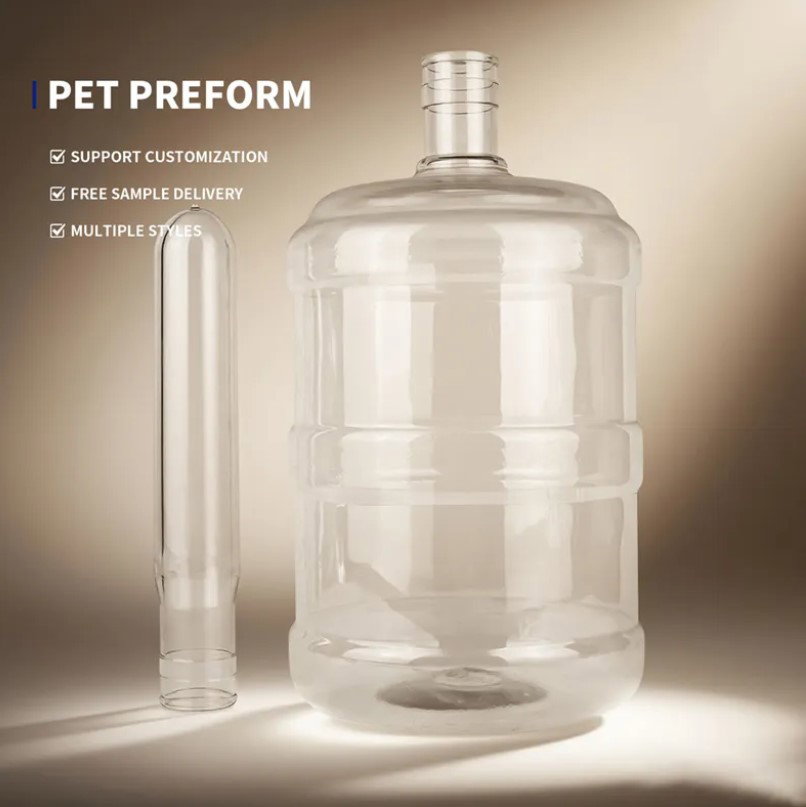
For water bottling companies, private label brands, and distribution businesses looking to establish a reliable supply of 5 gallon PET preform on OEM terms, understanding the full scope of customisation options and compliance requirements is essential for making an informed and commercially sound sourcing decision. Jinting Plastic Mould's 25-year specialisation in 5-gallon preform manufacturing encompasses a comprehensive OEM service that enables clients to develop, qualify, and scale production of custom preform specifications within a single trusted supplier relationship.

Color Customization for Brand Identity

While many commodity 5-gallon water bottles are produced in clear (water-white) PET, brand-differentiated water products increasingly use coloured bottles as a primary visual identity element. Blue-tinted 5-gallon bottles have become strongly associated with premium water brands in many markets; green suggests environmental credentials; and custom brand colours in Pantone-matched formulations allow the strongest brand identity expression. Jinting produces coloured 5 gallon PET preforms to Pantone specifications, using food-contact compliant colour masterbatches that deliver consistent colour across production batches without compromising the clarity or mechanical properties of the preform and bottle.


Weight Specification for Disposable vs. Returnable Bottles

The 5-gallon water bottle market encompasses both single-use disposable formats (typically lighter weight preforms, 580–680 grams) and limited-reuse formats designed to withstand multiple filling and return cycles (heavier preforms, 680–800 grams and above). The appropriate weight specification depends on the business model of the water delivery company — disposable one-way formats eliminate the cost and hygiene risks of bottle collection and washing but increase per-unit packaging cost; returnable formats reduce per-fill packaging cost but require investment in collection logistics and washing systems. Jinting produces preforms across the full weight range for both business models, advising clients on the weight specification most appropriate for their specific operational context.

Compliance Documentation for Export Markets

Water bottling companies exporting bottled water — or selling to multinational retail channels — must demonstrate that their packaging materials comply with the food contact material regulations of each target market. Jinting provides comprehensive compliance documentation for its 5 gallon PET preforms, including: ISO9001 and ISO22000 certificates, FDA compliance documentation (21 CFR 177.1630), EU food contact material declarations of conformity, migration test reports, and resin certification from the PET resin supplier. This documentation package satisfies the compliance requirements of food safety auditors, retail buyers, and regulatory authorities in the major international water bottling markets.

Minimum Order Quantities and Lead Times

Jinting's 5 gallon PET preform production is structured to serve customers across the full spectrum of production scale, from regional water brands making their first independent production runs to large international water bottling groups with multi-million unit annual requirements. Flexible minimum order quantities, combined with the option of scheduled blanket orders that smooth production planning while ensuring material availability, make Jinting a practical supply partner for businesses at every stage of growth. Typical production lead times from confirmed order to ex-factory shipment are 15–25 days for standard specifications and 30–45 days for new or custom specifications requiring mould preparation or process qualification.

I BUILT MY SITE FOR FREE USING