The Benefits of Choosing a Business Desktop PC for Office Efficiency
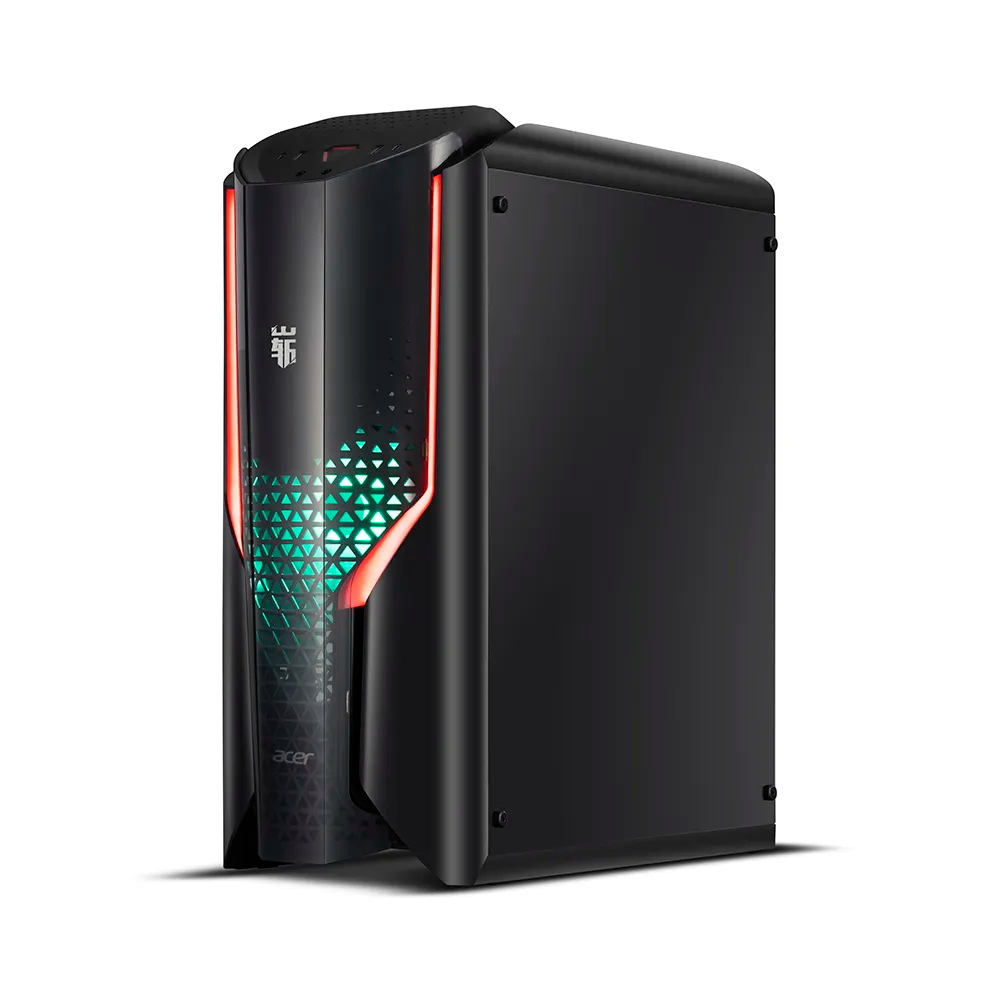
A business desktop pc continues to be a preferred technology solution for organizations that require dependable computing performance and efficient office operations. Despite the growing popularity of mobile devices and laptops, desktop computers remain highly valuable in professional environments because they provide stability, scalability, and strong multitasking capabilities. Modern businesses rely on these systems to support communication, productivity software, customer management, and digital collaboration throughout daily operations.
One of the biggest advantages of business desktop systems is their consistent performance. Employees often run several applications at the same time, including spreadsheets, accounting software, online communication tools, and cloud-based business platforms. Desktop computers are designed to handle these workloads efficiently while maintaining fast response times and stable system performance. Reliable computing helps employees work more productively and reduces interruptions caused by slow or unstable hardware.
Modern office environments also prioritize organization and efficient workspace management. Many business desktop systems now feature compact and streamlined designs that reduce clutter and improve workstation appearance. Organized office layouts help employees remain focused while creating a more professional environment for clients and visitors. Cleaner workspaces can also improve comfort and overall workplace satisfaction.
Another major benefit of desktop computers is durability. Business desktop PCs are typically designed for continuous use and long-term reliability, making them suitable for demanding office environments. Organizations appreciate systems that provide stable performance over extended periods while requiring minimal maintenance. Reliable hardware helps reduce downtime and supports smoother business operations.
Energy efficiency is becoming increasingly important for companies looking to manage operating expenses more effectively. Modern business desktop systems are optimized to consume less electricity while still supporting demanding workloads. Lower energy consumption helps organizations reduce costs and minimize environmental impact. Improved cooling systems also reduce heat generation and operating noise, contributing to a more comfortable workplace atmosphere.
Desktop systems also offer strong upgrade potential. Businesses often prefer hardware that can evolve with changing operational requirements. Desktop computers allow organizations to upgrade memory, storage, and other components when necessary, helping extend the lifespan of technology investments. This flexibility makes desktop systems a cost-effective long-term solution for many companies.
Advanced connectivity options further improve workplace productivity. Modern business desktops support multiple monitors, wireless accessories, printers, and network devices, allowing employees to create highly efficient workstation setups. These features help businesses improve collaboration and support multitasking across different departments and industries.
Technology manufacturers continue developing desktop solutions that meet the evolving needs of modern organizations. Faster processors, SSD technology, and improved system designs have made today’s business desktop PCs more powerful and versatile than ever before. Businesses can now enjoy strong computing performance while maintaining clean and efficient office environments.
As companies continue adapting to digital business operations and hybrid work models, business desktop PCs are expected to remain essential workplace tools. Their balance of reliability, scalability, efficiency, and performance makes them an excellent investment for organizations seeking dependable long-term computing solutions.
