Piping Valves Types: Matching the Right Valve to Your Application
One of the most consequential decisions in industrial piping system design is the selection of appropriate piping valves types for each service point in the network. An incorrectly specified valve — even a high-quality one — will fail to perform its intended function, wear prematurely, or introduce unacceptable pressure drops that undermine the system's hydraulic performance. A structured selection methodology that considers fluid type, flow function, pressure class, temperature, and material compatibility is the only reliable path to correct valve specification.
Step 1: Define the Flow Function
Every valve in a piping system performs one of three fundamental functions: isolation (stopping flow completely), regulation (controlling flow rate continuously), or prevention (stopping reverse flow automatically). Isolation requires tight shut-off — gate, ball, or plug valve. Regulation requires a valve whose flow coefficient (Cv) changes predictably with stem position — globe, needle, or control butterfly valve. Prevention requires a self-acting check mechanism — swing check, dual-plate check, or lift check valve. Mixing these functions — specifying a gate valve for regulation, for example — leads to poor performance and rapid mechanical degradation.
Step 2: Define Pressure Class and Temperature
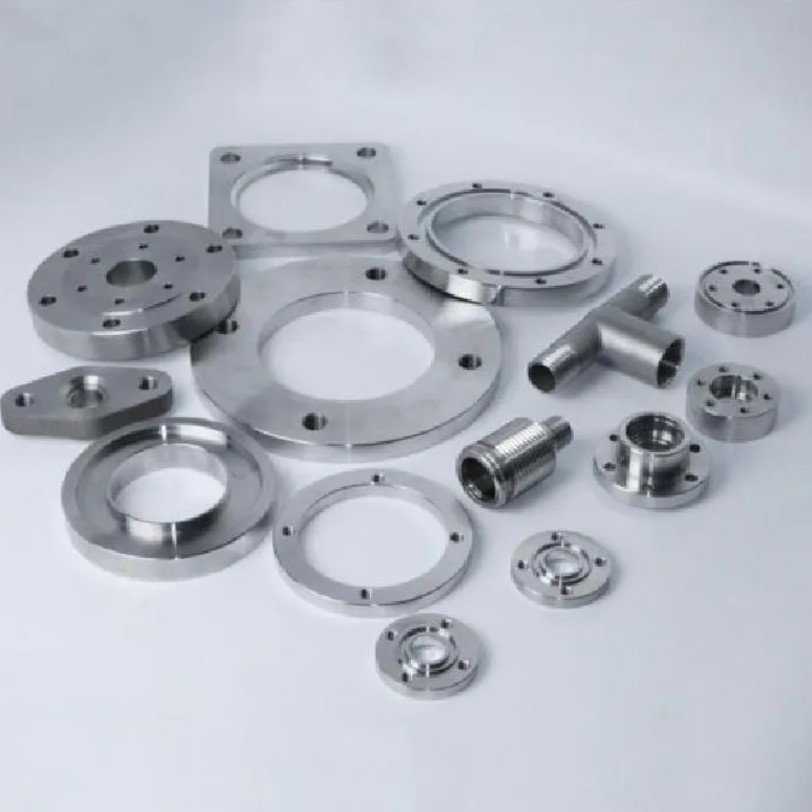
ANSI/ASME B16.34 defines the pressure-temperature ratings for valve body materials across standard pressure classes from Class 150 to Class 4500. A valve specified at Class 300 in carbon steel (rated to approximately 51 bar at ambient temperature) carries a different allowable pressure at 300°C — a reduction that must be accounted for in the design. Stainless steel valve bodies in 316 grade provide superior corrosion resistance but must be rated against the specific chemical service fluid, particularly at elevated temperatures where chloride stress corrosion cracking can occur in austenitic grades.
End Connection MatchingAlways match the valve end connection to the piping system — flanged (RF, RTJ, FF), butt-weld, socket-weld, or threaded. Mismatched connections create assembly complications and potential leak paths that undermine system integrity.
Step 3: Select Body Material for the Fluid
The valve body material must be compatible with the process fluid across the full operating temperature range. Carbon steel is the standard for hydrocarbons, steam, and general utilities. 316 stainless steel handles most aqueous corrosive media, organic acids, and pharmaceutical process streams. Duplex stainless and super-austenitic grades are selected for high-chloride or highly oxidising environments. For cryogenic service, austenitic stainless steel or 9% nickel alloy bodies are specified for their retention of ductility and toughness at temperatures below -100°C.
Step 4: Consider Actuation Requirements
Large valves or those in remote, hazardous, or automated plant locations require actuators — pneumatic, hydraulic, or electric — to provide the operating torque and integrate with the plant distributed control system. Quarter-turn valves (ball, butterfly, plug) are the most actuator-friendly designs, with direct-mount actuator interfaces standardised under ISO 5211. Multi-turn valves (gate, globe) require gearbox-and-actuator combinations for larger sizes. Correct actuator sizing — accounting for differential pressure, stem packing friction, and flow dynamic forces — is essential for reliable automated valve performance.
